

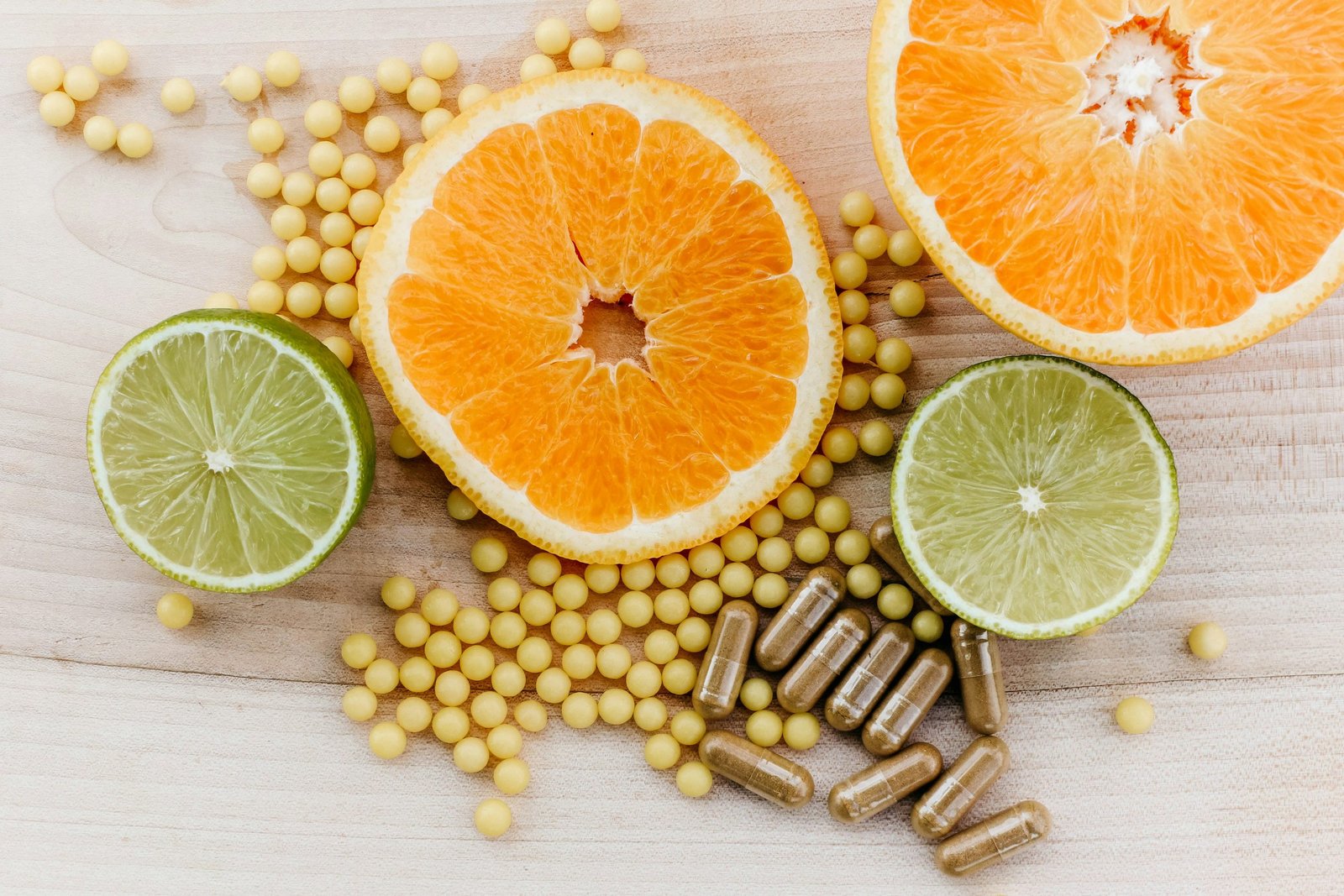
Bloating after a meal can turn an enjoyable dining experience into an uncomfortable one. Your stomach may feel tight, swollen or unusually full, while gas can leave you feeling less than your best. The good news is that understanding what causes bloating can help you make simple changes to support better digestive health.
What Causes Bloating After Eating?
Bloating can happen for several reasons, and identifying your triggers is a useful first step towards feeling more comfortable.
- Eating Too Quickly
When you eat in a hurry, you may swallow more air than usual. This extra air can contribute to gas and abdominal discomfort. Try slowing down, chewing your food thoroughly and taking time to enjoy your meals.
- Gas-Producing Foods
Certain foods naturally produce more gas during digestion. Beans, lentils, onions, broccoli and some other vegetables can trigger bloating in some people. Fizzy drinks may also contribute to gas. Keeping a food diary can help you identify patterns without unnecessarily cutting out nutritious foods.
- Difficulty Digesting Certain Foods
Some people struggle to digest particular food components. For example, lactose intolerance can cause bloating, gas and diarrhea after consuming milk or dairy products. Other food sensitivities may produce similar symptoms, so persistent problems are worth discussing with a healthcare professional.
- Constipation and Irregular Bowel Movements
When bowel movements become less frequent, gas and stool can build up, contributing to abdominal fullness and discomfort. Drinking enough water, staying physically active and gradually increasing fiber intake may help support regular bowel movements.
Can Digestive Enzyme Supplements Help?
Digestive enzymes help break down food into smaller components that your body can absorb. Different enzymes work on different nutrients: proteases break down proteins, lipases help digest fats, and amylases break down starches.
If you experience digestive discomfort after meals, a digestive enzyme supplement can help break down proteins, fats, carbohydrates, and fiber. The Finchley Clinic offers a multi-enzyme supplement containing enzymes such as lactase, lipase, proteases and amylases.
The formula supports digestion and may be helpful for some people experiencing gas and bloating. Lactase, for example, helps break down lactose, while other enzymes assist with digesting fats, proteins and carbohydrates. However, digestive enzymes are just part of the solution.
Tips for Better Digestive Comfort
Alongside a balanced diet, a few everyday habits may help reduce bloating:
- Eat slowly and chew your food well.
- Drink water regularly throughout the day.
- Monitor which foods trigger symptoms and keep a food diary.
- Stay active with regular walks or other gentle exercise.
- Avoid large meals if smaller portions feel more comfortable.
Take a More Comfortable Approach to Digestion
Occasional bloating is common, but you do not have to ignore recurring discomfort. Understanding your food triggers, building healthy eating habits and choosing appropriate digestive support can help you make more informed decisions.
If bloating is persistent, worsening or accompanied by severe pain, vomiting, blood in your stool or unexplained weight loss, seek medical advice rather than relying on supplements alone.


