

If you’ve ever pulled a roast from the oven or lifted a steak off the grill only to find it dry, chewy, or just… disappointing, you’re not alone. Juicy meat isn’t about luck or being a “natural” in the kitchen. It comes down to simple, repeatable cooking techniques that home cooks can use every day.
Here are five practical secrets that make a big difference. Here are easy tweaks you can start using tonight.
Let the Meat Rest
This is the most common mistake home cooks make: cutting into the meat the moment it’s off the heat. When meat cooks, its juices push toward the center. If you slice it immediately, all that moisture flows right out onto the cutting board.
The fix?
Let your meat rest—always.
Steaks: 5–10 minutes
Chicken breasts: 5 minutes
Pork loin or roasts: 10–15 minutes
Whole chicken or turkey: 20 minutes
Be patient and you’ll be amazed at how much juicier everything becomes with this very easy habit.
Don’t Cook Cold Meat
Pulling meat straight from the fridge and tossing it on the pan or grill almost guarantees uneven cooking. The outside cooks too quickly while the inside stays too cool, often leading to dryness or overcooking as you try to compensate.
Let your meat sit at room temperature for 20–30 minutes before cooking.
This simple step helps it cook more evenly, retain more moisture, and brown beautifully.
Season Early
Salt isn’t just for flavor. It actually helps meat stay juicier. When you salt meat ahead of time, the salt draws out moisture, dissolves into it, and then reabsorbs back into the meat. This natural brining helps the fibers retain moisture during cooking.
Here’s a quick guide:
Chicken & pork: Season at least 15–30 minutes before cooking, longer if possible.
Steak: Season right before cooking or 40+ minutes before. (Anything in between can draw moisture to the surface.)
A well-seasoned piece of meat cooks more evenly and stays more tender.
Use the Right Cooking Method for the Cut
Different cuts behave differently—and some dry out quickly when cooked the wrong way.
Lean meats like chicken breast, pork loin, sirloin: Best with quick, high-heat methods like grilling, sautéing, or roasting at higher temps.
Tougher cuts such as brisket, chuck, shoulder, ribs: Need slow, moist heat to break down collagen and become tender and juicy.
If your meat keeps turning out dry, the problem might not be you—it might just be the wrong method for the cut you’re cooking.
Use A Meat Thermometer
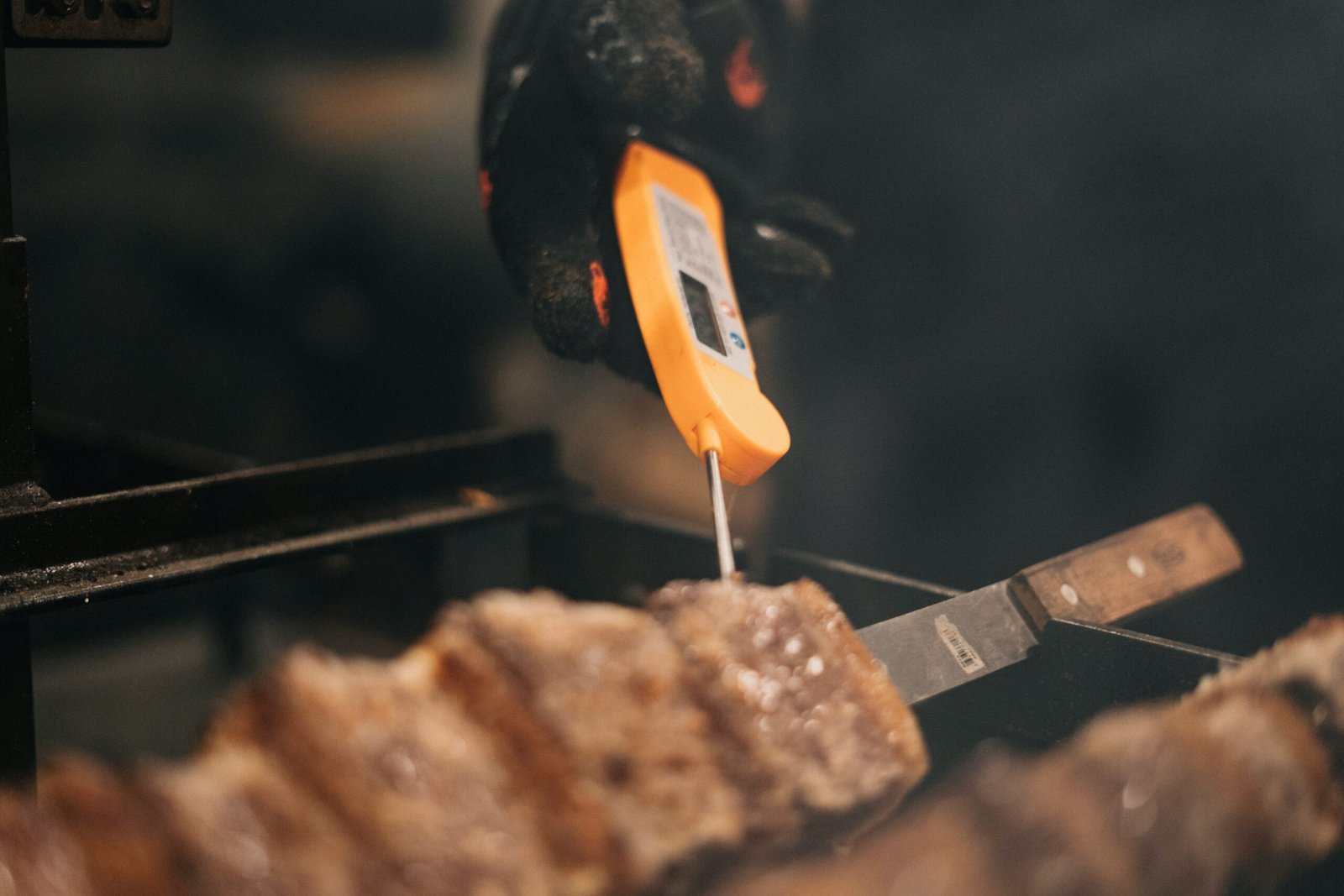
If there’s one tool that instantly improves juiciness, accuracy, and confidence in the kitchen, it’s a reliable meat thermometer. It takes all the guesswork out of cooking by letting you know the exact moment your meat reaches the perfect temperature, so you never accidentally overcook it again.
For example, an Instant-Read Meat Thermometers from Thermopro deliver accurate readings in seconds for perfectly grilled, roasted, or smoked meat. It takes all the uncertainty out of cooking. Instead of guessing, poking, or cutting into the meat—and losing valuable juices in the process, you get a precise reading that tells you exactly when it’s done. That means perfectly cooked, tender, juicy results every single time.
Final Thoughts
Juicier meat isn’t a mystery. It’s a combination of simple cooking techniques such as seasoning smartly, avoiding cold starts, cooking the right way, and, using a good thermometer from Thermopro to take out the guesswork. Master these five secrets and your cooking skills will improve quickly. Your meals and the people you cook for will surely thank you.


